🎛️ Mixing & Sound Design
How to Use EQ Properly (The 4 Moves That Matter)
Forget 50 EQ tricks. Master these four moves and your mixes will already sound better than 90% of bedroom producers'.
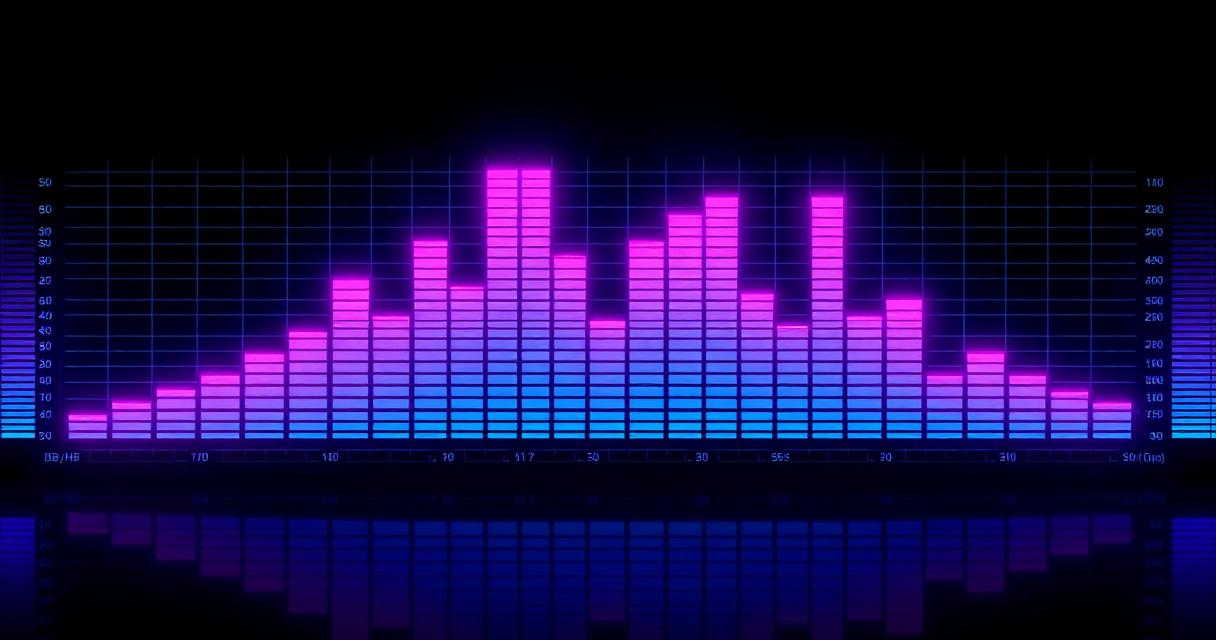
EQ is the most important mixing tool, and the one most producers misuse. Here are the only four moves you need to start making clean, professional mixes.
1. Subtractive EQ first
Before boosting anything, cut. Find the ugly frequency in a sound (sweep with a narrow boost until it sounds bad, then cut at that spot). Sounds always sit better when you remove what isn't needed.
2. High-pass everything that doesn't need lows
Vocals, hats, pads, FX, all get a high-pass between 80 and 200 Hz. Suddenly your kick and bass own the low end.
3. Use additive EQ to shape character
Wide, gentle boosts (Q ≈ 0.7, +1–3 dB) sound musical. Narrow, big boosts sound surgical and harsh. Add air at 12 kHz, body at 200 Hz, presence at 3 kHz.
4. Dynamic EQ for problem frequencies
When a sound has a frequency that only causes problems sometimes (sibilance, boomy notes), use dynamic EQ to cut only when the problem fires, not all the time.
EQ in context, not in solo. A sound that's 'right' alone is often wrong in the mix.
What's next
Once you've handled EQ, the next biggest character tool is saturation. Read on:
Keep reading
Mixing & Sound Design
How to Fix a Muddy Mix (5 Fast Moves That Actually Work)
Mud usually lives in one frequency range and three production habits. Fix both and your mix opens up immediately.
Mixing & Sound Design
How to Make Your Mix Wider (Without Killing Mono)
A wide mix is created with arrangement and panning, not just plugins. Here are the six moves that work in any genre.
Mixing & Sound Design
What is Saturation? (And Why Every Hit Uses It)
Saturation is the secret behind every warm, expensive-sounding record. Here's what it does and where to put it.