🎛️ Mixing & Sound Design
How to Prepare Your EDM Track for Professional Mastering
A clear pre-mastering checklist, headroom, file format, bus processing and the small details that decide whether your master sounds pro.
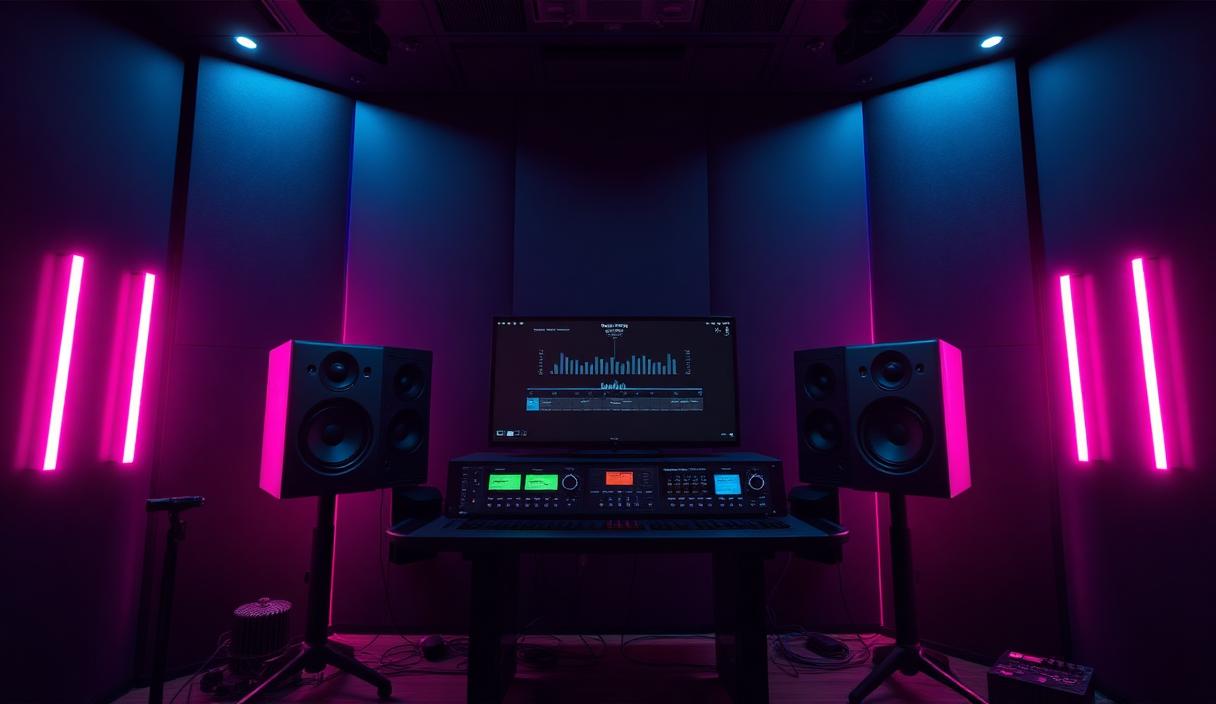
A great master starts with a great pre-master. If you hand a mastering engineer (or a mastering chain) a clipped, over-limited stereo file, no amount of magic will save it. Here's the exact checklist to prepare an EDM mix for mastering, whether you're sending it to a pro or doing it yourself.
1. Leave proper headroom
The single most important rule: do not master your mix yet. Take all limiters, clippers and loudness maximizers off the master bus. Aim for peaks around -6 dBFS and an average level around -18 to -14 LUFS before mastering. That gives the master enough room to add loudness without distorting.
If your mix already peaks at 0 dBFS, the mastering stage has nothing to work with. Pull the master fader down, don't just reduce the limiter.
2. Export the right file format
- Format: 24-bit WAV (or AIFF). Never MP3.
- Sample rate: match your project (usually 44.1 or 48 kHz). Don't upsample.
- Length: include 1–2 seconds of silence before the track and let the tail ring out fully.
- No fades at the start or end, the mastering engineer will add them cleanly.
3. Print the mix bus processing you actually want
If your mix only sounds 'right' with bus compression and saturation, leave them on, they're part of your sound. But pull them back to gentle settings (1–2 dB gain reduction max) and disable any final brick-wall limiter.
4. Check mono compatibility
Sum to mono and listen. If your sub disappears, the mastering engineer can't fix it, it's a phase issue in the mix. Make sure everything below ~120 Hz is mono and that wide stereo elements still feel present in mono.
5. Reference, then trust your mix
A/B against 2–3 commercial tracks in your genre at matched loudness. Don't try to make your pre-master as loud as the reference, that's the master's job. Focus on tonal balance, low-end weight and stereo width.
6. Send stems if asked
Some mastering engineers offer stem mastering. Bounce stems with all processing intact (sidechain, reverb, fx) so they re-sum to your stereo mix when played together. Common stem groups for EDM: kick, drums, bass, synths, vocals, fx.
Pre-mastering checklist
- Master bus limiter / maximizer is off.
- True peaks below -6 dBFS, integrated loudness around -18 to -14 LUFS.
- 24-bit WAV, project sample rate, no MP3.
- 1–2 sec silence before and after the track, no fades.
- Sub & low end are mono below ~120 Hz.
- Mix sounds balanced against a reference at matched loudness.
- File name includes track title, BPM and key (e.g. `Sundown_124_Fmin_premaster.wav`).
Loudness in 2026 is decided by the limiter at mastering, not by your mix. A clean, dynamic pre-master always masters louder and cleaner than a squashed one.
Keep reading

Mixing & Sound Design
How to Fix a Muddy Mix (5 Fast Moves That Actually Work)
Mud usually lives in one frequency range and three production habits. Fix both and your mix opens up immediately.

Mixing & Sound Design
How to Make Your Mix Wider (Without Killing Mono)
A wide mix is created with arrangement and panning, not just plugins. Here are the six moves that work in any genre.

Mixing & Sound Design
How to Use EQ Properly (The 4 Moves That Matter)
Forget 50 EQ tricks. Master these four moves and your mixes will already sound better than 90% of bedroom producers'.